
Every sound we hear is made up of frequencies, and not all noises are created equal. When comparing white noise vs brown noise vs pink noise, the difference lies in how each spreads its energy across the frequency spectrum. These various colors of noise – white, pink, and brown, affect how our brain perceives sound and how we feel when listening.
From helping us focus, to improving sleep quality, or creating calm environments, each noise type plays a role. Understanding white, pink and brown noise helps you choose which one fits your needs, whether for relaxation, concentration, or masking background noise.
At Lencore, we explore how colored noise forms the foundation of effective sound masking that helps people work and perform better in controlled acoustic spaces.
Understanding White Noise, Pink Noise, and Brown Noise
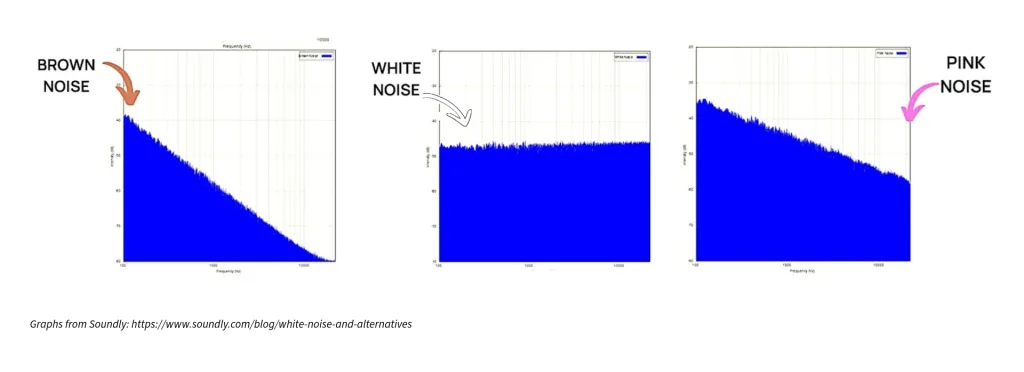
Each type of color noise has its own frequency characteristics. White noise distributes equal power across all audible frequencies, producing a static-like sound. Pink noise, on the other hand, gives more weight to lower frequencies, creating a balanced and softer tone that feels natural to the human ear. Brown noise intensifies those low frequencies, producing a rumbling sound often compared to distant thunder or ocean waves.
These differences in the frequency spectrum and sound energy explain why white noise vs brown noise vs pink noise can affect mood, concentration, and sleep in different ways.

White Noise for Concentration Enhancement
When it comes to focus, white noise is the most popular choice. It is called “white” because it spreads sound energy evenly, much like white light spreads all colors. This creates a flat power spectrum, meaning the sound contains equal energy across all frequencies.
That static-like sound is ideal for masking background noise in busy offices or homes. When listening to white noise vs brown noise vs pink noise, you will notice that white noise sounds brighter and sharper because of its higher frequencies. Many people use sound machines or smartphone apps to play white noise continuously, helping maintain focus and reducing the stress caused by ambient noise.
What Makes Pink Noise Unique
Pink noise vs white noise is often discussed because of its softer, more natural tone. While white noise treats all frequencies equally, pink noise gradually lowers the power of higher frequencies, giving it a gentler sound that feels closer to what we hear in nature, such as heavy rain, rustling leaves, or ocean surf.
Studies have found that pink noise can improve sleep quality, especially among older adults. One study showed that people exposed to pink noise experienced deeper sleep cycles and better memory the next day. These findings explain why pink and brown noise are often preferred for relaxation and sleep, while white noise works better for focus and masking.
Whether through sound machines, radios, or smartphone apps, listening to pink noise can help you unwind, reduce stress, and fall asleep faster, making it one of the most soothing colors of noise available.
The Deep Tone of Brown Noise
Brown noise vs white noise produces an entirely different listening experience. Instead of even energy across all frequencies, brown noise focuses on lower frequencies, producing a deep, rolling hum that sounds like waves crashing or distant thunder. These brown noise sounds feel grounding and calming to the human ear, helping to reduce stress and ease tension.
For people with tinnitus or hearing loss, brown noise can offer relief by covering up high pitched ringing or distracting sounds. Its smooth frequency spectrum makes it one of the most effective noise types for meditation, relaxation, or sleep enhancement.
The inclusion of brown noise in sound masking systems can help create an acoustic environment that supports comfort, focus, and emotional balance.
Comparing White Noise vs Brown Noise vs Pink Noise
When you compare white noise vs brown noise vs pink noise, the differences become clear in both sound perception and practical use. White noise has a bright and consistent tone that is perfect for masking loud environments. Pink noise provides a smoother, more natural flow that aligns with how the human ear perceives frequencies, and brown noise offers a deep, soothing base that is ideal for stress reduction.
In simple terms:
- White noise = brighter, even energy across all frequencies
- Pink noise = balanced, with less intensity at higher frequencies
- Brown noise = deeper, bass heavy tone focused on lower frequencies
Each can serve a different purpose depending on your environment and personal goals, whether you need help sleeping, focusing, or relaxing.
Pink Noise vs White Noise: Which Works Best for Sleep and Focus?
When comparing pink noise vs white noise, both serve different but complementary functions. White noise blocks distractions by providing a consistent hum, while pink noise promotes relaxation and better night’s sleep by mimicking natural sound patterns.
If you struggle with falling asleep or staying asleep due to background noise, try pink noise. Its gradual drop in higher frequencies creates a smoother and more soothing experience. On the other hand, white noise and its flat power spectrum make it highly effective for maintaining focus in shared workspaces or noisy environments.
Many people combine pink and brown noise with white noise in customized sound machines for all day comfort, switching tones based on their mood or activity.
Pink Noise for Relaxation and Sleep
Research comparing pink noise vs white noise shows that pink noise supports deep sleep cycles and improves sleep efficiency. Because it mirrors natural soundscapes like rainfall or wind, it feels softer on the ears and helps the body relax.
Apps and sound machines can loop pink noise all night to mask ambient noise and promote restful sleep. If you are looking to improve sleep quality, this type of color noise may be the most effective, especially for older adults or those struggling with insomnia.
White Noise for Productivity and Focus
While pink noise is best for sleep, white noise is unmatched for productivity. In offices, it helps mask conversations and minimize background noise, allowing employees to focus for longer periods.
Because of its equal power across audible frequencies, white noise keeps the environment stable and free from sharp or distracting sounds. That is why in corporate spaces, Lencore’s sound masking systems incorporate a combination of white and pink noise technology to minimize distractions and enhance productivity, creating balanced and comfortable environments that support better cognitive performance, while upholding speech privacy.
Brown Noise vs White Noise: Understanding Their Distinct Effects
When comparing brown noise vs white noise, the most noticeable difference is tone and purpose. Brown noise delivers a low soothing rumble, while white noise offers a brighter static like sound. Each influences listeners differently depending on the activity and the surrounding environment.
The Calming Power of Brown Noise
The rumbling sound of brown noise helps reduce stress, quiet mental chatter, and create a deep sense of relaxation. It is particularly effective for those dealing with tinnitus, hearing loss, or anxiety, as it masks harsh higher frequencies with gentle and consistent vibrations.
How White Noise Masks Background Noise
In contrast, white noise fills all audible frequencies equally, making it perfect for masking loud sounds or creating privacy in open spaces. Whether for sleep or focus, white noise vs brown noise vs pink noise proves that each sound color has unique benefits, allowing you to choose based on your environment and goals.
How Sound Masking Uses White Noise, Pink Noise, and Brown Noise
Modern sound masking technology has evolved to include the most effective combinations of white noise, pink noise, and brown noise. These sound types, often compared in discussions of white noise vs brown noise vs pink noise, play an important role in improving acoustic comfort, focus, and privacy.
Lencore now integrates white and pink noise into advanced systems that shape comfortable sound environments using controlled ambient noise. By blending different colors of noise, these systems reduce distractions, support relaxation, and enhance concentration in offices, hospitals, and educational spaces.
Each color of noise serves a unique purpose. White noise provides consistent masking and helps maintain focus in busy environments. Pink noise encourages relaxation and cognitive recovery by matching the natural balance of frequencies audible to the human ear. Brown noise produces deeper tones that reduce stress and help create calm.
Through careful control of the frequency spectrum, engineers of sound masking systems ensure that the human ear perceives these sounds comfortably without fatigue. The result is improved cognitive performance, reduced distraction, and better overall well-being.
Exploring Other Colors of Noise
Beyond white, pink, and brown noise, there are several other colors of noise that researchers continue to explore. Blue noise contains more high frequency energy and sounds brighter. Green noise resembles the sounds of nature, such as flowing water or wind through trees. Violet noise, sometimes called purple noise, emphasizes very high frequencies and can help mask ringing in the ears or tinnitus.
Black noise represents near silence and is often used for meditation or deep focus. Grey noise is balanced across frequencies to match how the human ear perceives volume, creating an even listening experience.
As more research continues, scientists are studying how these different colors of noise influence relaxation, focus, and sleep quality. The study of noise colors began when researchers noticed how sound frequency and power distribution affect comfort and perception. Today, sound machines and radio systems often include a variety of noise options so that listeners can experiment with what works best for them, whether it is pink noise vs white noise, brown noise vs white noise, or even less common sounds like blue and green noise.
Practical Ways to Use White, Pink, and Brown Noise
In everyday life, using white noise, pink noise, and brown noise can make a real difference in focus, relaxation, and sleep. Each sound type has a unique role depending on your activity and environment.
For example:
- White noise can be played in offices or shared spaces to mask conversations and reduce distractions. Its flat power spectrum makes it ideal for improving concentration and productivity.
- Pink noise is best for rest and recovery. Playing pink noise before bed can improve sleep quality by helping you fall asleep faster and stay asleep longer.
- Brown noise works well for relaxation or meditation. Its deep, rumbling sound lowers stress and promotes a calmer state of mind.
These colors of noise can be played through sound machines, smartphone apps, streaming platforms, or radios. Adjusting the tone and volume helps create a comfortable environment suited to your needs.
Experimenting with pink vs brown vs white noise allows you to find which sound works best for your focus, sleep, or stress relief. Understanding the difference between pink noise vs white noise and brown noise vs white noise makes it easier to create a sound environment that supports relaxation, focus, and improved cognitive performance.
Final Thoughts: Making the Most of White Noise, Pink Noise, and Brown Noise
White noise, pink noise, and brown noise each offer distinct benefits for different needs. Understanding these differences helps you choose the right sound for your goals, whether it’s better sleep, improved focus, or a sense of calm.
Each type of noise interacts differently with the human ear and influences how we think and feel. By integrating these color noises through sound masking systems, you can create environments that enhance comfort, productivity, and privacy while improving overall well-being.
Explore Lencore’s advanced sound masking solutions and learn how understanding the different colors of noise can enhance your daily routine, improve focus, and promote wellness.